


How we work
Rules first, then changes.
Senior engineers capture existing behavior as tests before anything changes, and the people who build a system stay to keep it running.


Principles
Three habits behind every engagement.
Senior-led delivery, long-term ownership, and tests over documentation.
-
All engineers are senior, and they do the hard parts themselves. Claude Code is in the toolchain, but code no one understands is not merged.
-
Most engagements run past three years, with ongoing maintenance, so the people who build it are the people who keep it running.
-
Existing behavior is captured in tests before changes are made, so every rebuild starts from rules that already work.
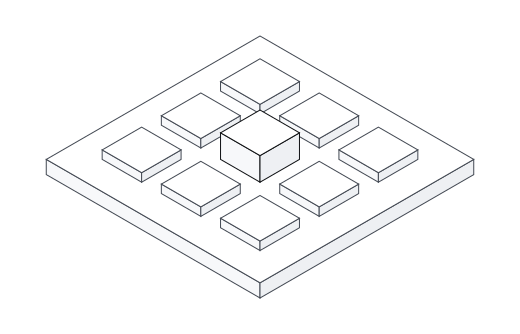
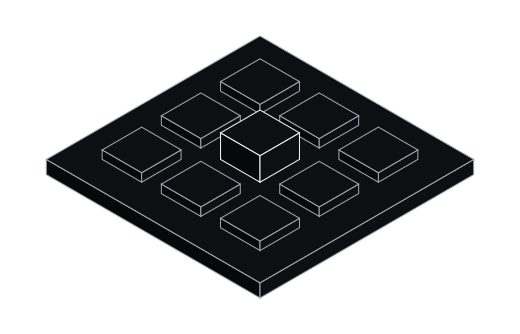
From scope to hypercare
Written down first, built second.
Existing behavior becomes tests before we touch it, so every rebuild starts from rules that already work.
-
Scope
Business analysis turns your vision into a full technical specification: business logic, edge cases and build dependencies.
-
Capture
Existing behavior is captured in tests before any change, so the rules that already work stay intact.
-
Rebuild
The system is stabilised or rebuilt in parallel, then cut over. Our reporting rebuild moved with no incident.
-
Maintain
Post-launch hypercare, then retainers and small additions, from the team that built the system.
Tooling
AI in the toolchain,
a person in charge.
AI-assisted tooling is part of the stack, but the responsible engineer must understand every line of code that enters a repository. Code no one understands is not merged.
Next step
Want to know if we're the right shape
for your platform?
Tell us what you run today and what needs to change. A senior engineer replies within one business day.